
-
Call Now: (+86) 189 3193 6700
-
Email Now: dongsen202408@gmail.com
-
WhatsApp: (+86) 195 2708 2837
- Send Message


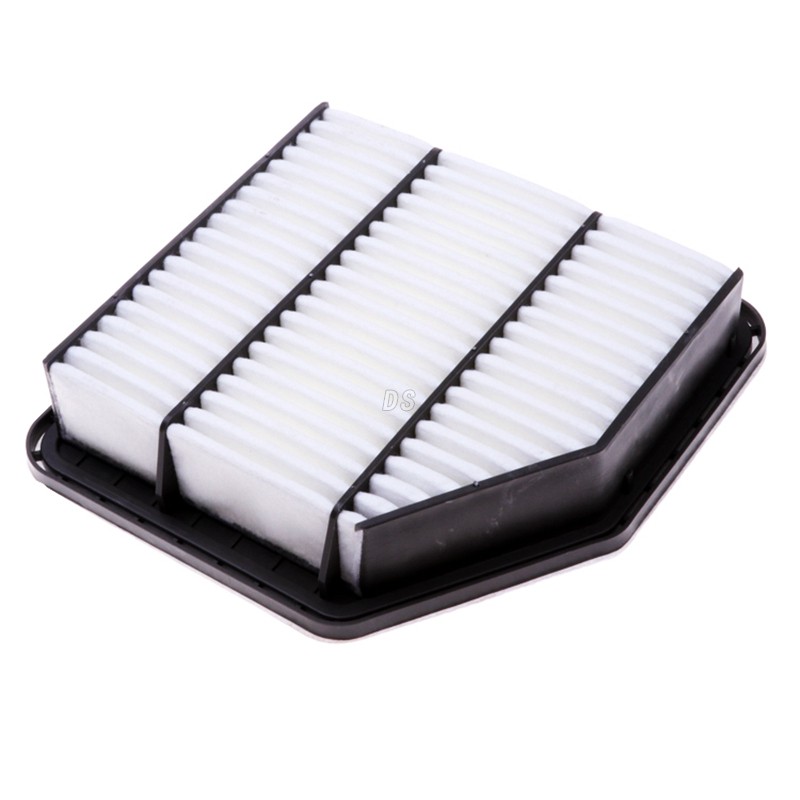
April 2026 — Industry News Report
The global automotive filtration industry is undergoing a period of transformation as manufacturers respond to changes in raw material supply, environmental regulations, and evolving vehicle technologies. These developments are reshaping how automotive filters are designed, produced, and distributed across international markets.
Raw Material Price Fluctuations Impact Production Costs
One of the most significant challenges facing filter manufacturers in recent years has been the fluctuation in the cost of key raw materials such as filter paper, synthetic fibers, and polyurethane used in sealing components. These materials are essential in producing high-performance air, oil, and cabin filters.
Filter media suppliers and chemical companies have adjusted their pricing strategies due to energy costs, transportation constraints, and global demand. As a result, automotive filter factories have been required to optimize production efficiency and improve material utilization to maintain stable pricing for their customers.
Increasing Demand for High-Efficiency Filtration Media
With stricter emission standards and growing consumer awareness of air quality, the demand for higher-efficiency filtration media has increased significantly. Many manufacturers are now adopting multi-layer composite filter paper and advanced synthetic fibers to enhance dust holding capacity while maintaining airflow performance.
Testing methods defined by organizations such as the
International Organization for Standardization, including
ISO 5011, continue to serve as key benchmarks for evaluating filter performance and durability in both OEM and aftermarket sectors.
Automation and Smart Manufacturing Improve Consistency
To address rising labor costs and ensure consistent product quality, more filter manufacturers are investing in automated pleating machines, robotic gluing systems, and digital quality inspection technologies. These upgrades help reduce human error and ensure uniformity in pleat spacing, adhesive application, and frame assembly.
Industry experts note that factories adopting automated production lines are better positioned to handle large export orders and meet the strict dimensional tolerances required by modern vehicle platforms.
Expansion of Global Vehicle Platforms Drives Filter Variety
As major automotive groups such as
Toyota,
Volkswagen AG, and
Hyundai Motor Company
continue to expand their global vehicle platforms, the number of filter models required in the aftermarket has grown accordingly.
This has led to increased demand for manufacturers capable of producing a wide range of part numbers while maintaining consistent quality across different designs and specifications.
Environmental Regulations Influence Filter Design
Environmental considerations are also influencing the automotive filtration sector. Governments and environmental agencies are encouraging manufacturers to reduce industrial waste and adopt recyclable or lower-emission materials in production processes.
In response, some filter producers are exploring eco-friendly filter media and solvent-free adhesive technologies. Although these solutions are still developing, they represent a growing trend toward sustainable manufacturing in the automotive parts industry.
Logistics and Lead Time Become Key Competitive Factors
Beyond product quality and pricing, delivery reliability has become a decisive factor in supplier selection. Distributors and wholesalers increasingly prefer manufacturers who can offer stable production schedules and transparent shipping timelines.
Global events in recent years have highlighted the importance of diversified logistics channels and accurate production planning. Manufacturers with strong export experience and established freight partnerships are better equipped to minimize delays and ensure timely delivery to overseas markets.
Industry Outlook Remains Positive
Despite short-term challenges related to raw material costs and logistics, the long-term outlook for the automotive filter industry remains optimistic. The continuous growth of the global vehicle population, combined with stricter maintenance and emission requirements, ensures steady demand for filtration products.
As technology evolves and environmental awareness increases, automotive filters will continue to play a critical role in vehicle reliability, engine protection, and passenger health.

Qinghe County Dongsen Auto Parts Co., Ltd. is located in Qinghe County, Xingtai City, Hebei Province. It was established in 2024. Although the company was established a short time ago, it has more than 10 years of production experience. We are a manufacturer specializing in the production of air filters, air conditioning filters and oil filters. The filters produced by our factory serve the domestic and foreign markets and have won unanimous praise from customers in Southeast Asia, Africa, South America and other regions.