
-
Call Now: (+86) 189 3193 6700
-
Email Now: dongsen202408@gmail.com
-
WhatsApp: (+86) 195 2708 2837
- Send Message


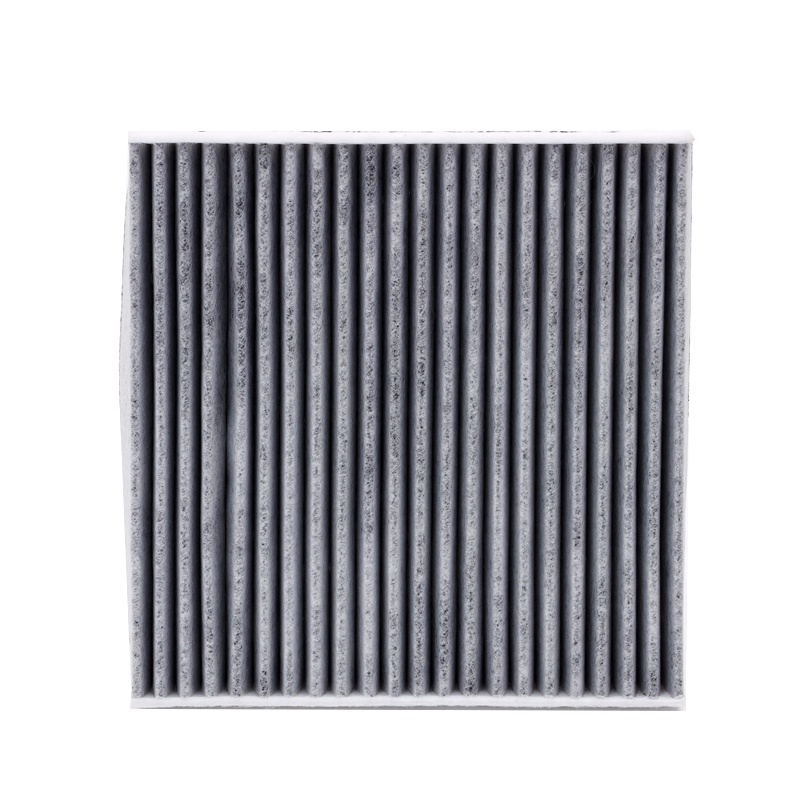
Air filters are essential components that protect vehicle engines from dust, dirt, and harmful particles. While they may look simple from the outside, producing a high-quality air filter involves multiple precise manufacturing steps and strict quality control.
Let’s take a look at how an air filter is made in a real factory.
The production process begins with the selection of high-quality raw materials. The most important material is the filter paper, which determines the filtration efficiency and dust holding capacity of the final product.
Factories carefully inspect filter paper rolls to ensure:
Uniform thickness
Stable fiber structure
No visible defects or damage
Other materials such as rubber or polyurethane sealing materials and plastic or metal frames are also prepared at this stage.
Once the filter paper is approved, it is fed into a pleating machine. This machine folds the paper into evenly spaced pleats, increasing the filtration area and improving dust storage capacity.
Uniform pleats are critical because they:
Ensure stable airflow
Prevent premature clogging
Improve the overall lifespan of the air filter
The outer frame of the air filter is produced separately using plastic injection molding or metal forming processes. The frame provides structural support and ensures that the filter fits perfectly inside the vehicle’s air box.
After forming, the frames are cut and prepared for assembly.
In the assembly stage, the pleated filter paper is carefully placed into the frame. Adhesives or polyurethane are applied to securely bond the paper to the frame, creating an airtight seal.
This step is crucial because poor sealing may allow unfiltered air to bypass the filter and enter the engine.
After bonding, the assembled filters are moved to a curing or drying area where the adhesive or polyurethane hardens. This ensures that the filter maintains its shape and structural strength during use.
Proper curing also improves durability and resistance to vibration and temperature changes.
Before packaging, each batch of air filters undergoes strict quality inspection. Common inspection items include:
Dimensional accuracy
Pleat uniformity
Bonding strength
Overall appearance
Only filters that meet the factory’s quality standards are approved for shipment.
Finally, the qualified air filters are packed in protective packaging to prevent damage during transportation. Products are then stored in a clean and dry warehouse, ready for delivery to customers.
Conclusion
Although an air filter may seem like a simple component, its production requires advanced equipment, skilled workers, and strict quality control. Each step—from raw material selection to final inspection—plays an important role in ensuring reliable engine protection.
By understanding how air filters are manufactured, customers can better appreciate the value of choosing products from a professional and experienced filter factory.

Qinghe County Dongsen Auto Parts Co., Ltd. is located in Qinghe County, Xingtai City, Hebei Province. It was established in 2024. Although the company was established a short time ago, it has more than 10 years of production experience. We are a manufacturer specializing in the production of air filters, air conditioning filters and oil filters. The filters produced by our factory serve the domestic and foreign markets and have won unanimous praise from customers in Southeast Asia, Africa, South America and other regions.