
-
Call Now: (+86) 189 3193 6700
-
Email Now: dongsen202408@gmail.com
-
WhatsApp: (+86) 195 2708 2837
- Send Message


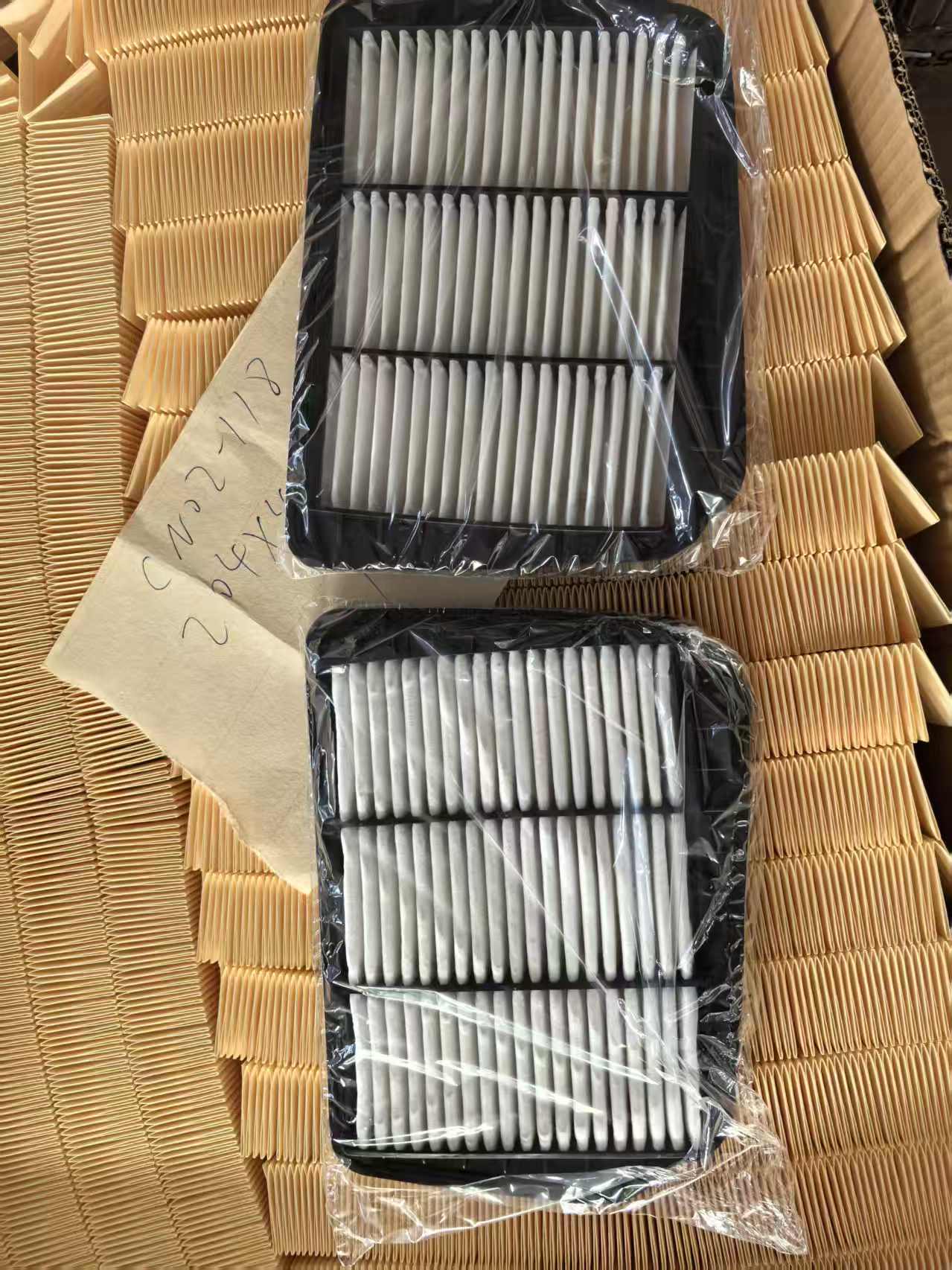
In modern automotive industry, air filters not only undertake the important mission of filtering air impurities and protecting engines, but also the precision of their cross-sections is one of the core indicators for evaluating product quality. The structural tightness of the cross-section, the uniformity of material distribution, the consistency of pleat height, etc., all directly affect the filtration efficiency, service life and the overall performance of the vehicle.
The Importance of Precision in Cross-sections
The cross-section of the air filter can directly reflect key details such as the arrangement of the filter paper, the folding Angle, the thickness of the rubber strip and the sealing performance. When the cross-sectional precision is high, the product can maintain a stable air flow and excellent filtration capacity during use.
Pleat Uniformity
Whether the wrinkles are uniform is the first key criterion for the cross-section. Filter paper with uniform pleat height and the same spacing can ensure that the air is evenly distributed when flowing through the filter element, thereby improving the filtration efficiency and reducing the load on the engine.
Material Density
The thickness of the filter material and the uniformity of the fiber density in the cross-section directly affect the filtration grade. High-precision filter paper can effectively block dust, pollen and particles while ensuring air permeability.
Edge Sealing Accuracy
The amount of sealant, width and tightness of the sealing strip must be stable and consistent; otherwise, side leakage may occur, affecting the overall filtration effect.
Structural Stability
A good cross-section means that the overall structure is stable, the pleated paper is less likely to collapse or deform, and it can maintain durability in environments with high humidity and high temperature.
The production process of air filters
To ensure the precision of the cross-section, the production process of the air filter needs to strictly control every step. The following is the standard factory production process:
Material Selection
The main raw materials used in air filters include
High-quality wood pulp filter paper/synthetic fiber filter material
Polyurethane adhesive PU
Rubber sealing strip material
Nylon mesh, metal mesh (depending on the product model requirements)
High-quality filter paper, with its stable pore size, strength and high-temperature resistance, is the foundation for ensuring high-precision cross-sections.
Pleating Process of filter paper
Filter paper is continuously folded through an automatic paper folding machine. The stability of the paper folding machine will directly affect the height and spacing of the folds. A good device can ensure:
The folds do not shift.
Folding Angle standard
The shape is crisp and upright
The length error is controlled at the millimeter level
The quality of pleated paper is a crucial step in determining the neatness of the cross-section.

Qinghe County Dongsen Auto Parts Co., Ltd. is located in Qinghe County, Xingtai City, Hebei Province. It was established in 2024. Although the company was established a short time ago, it has more than 10 years of production experience. We are a manufacturer specializing in the production of air filters, air conditioning filters and oil filters. The filters produced by our factory serve the domestic and foreign markets and have won unanimous praise from customers in Southeast Asia, Africa, South America and other regions.