
-
Call Now: (+86) 189 3193 6700
-
Email Now: dongsen202408@gmail.com
-
WhatsApp: (+86) 195 2708 2837
- Send Message


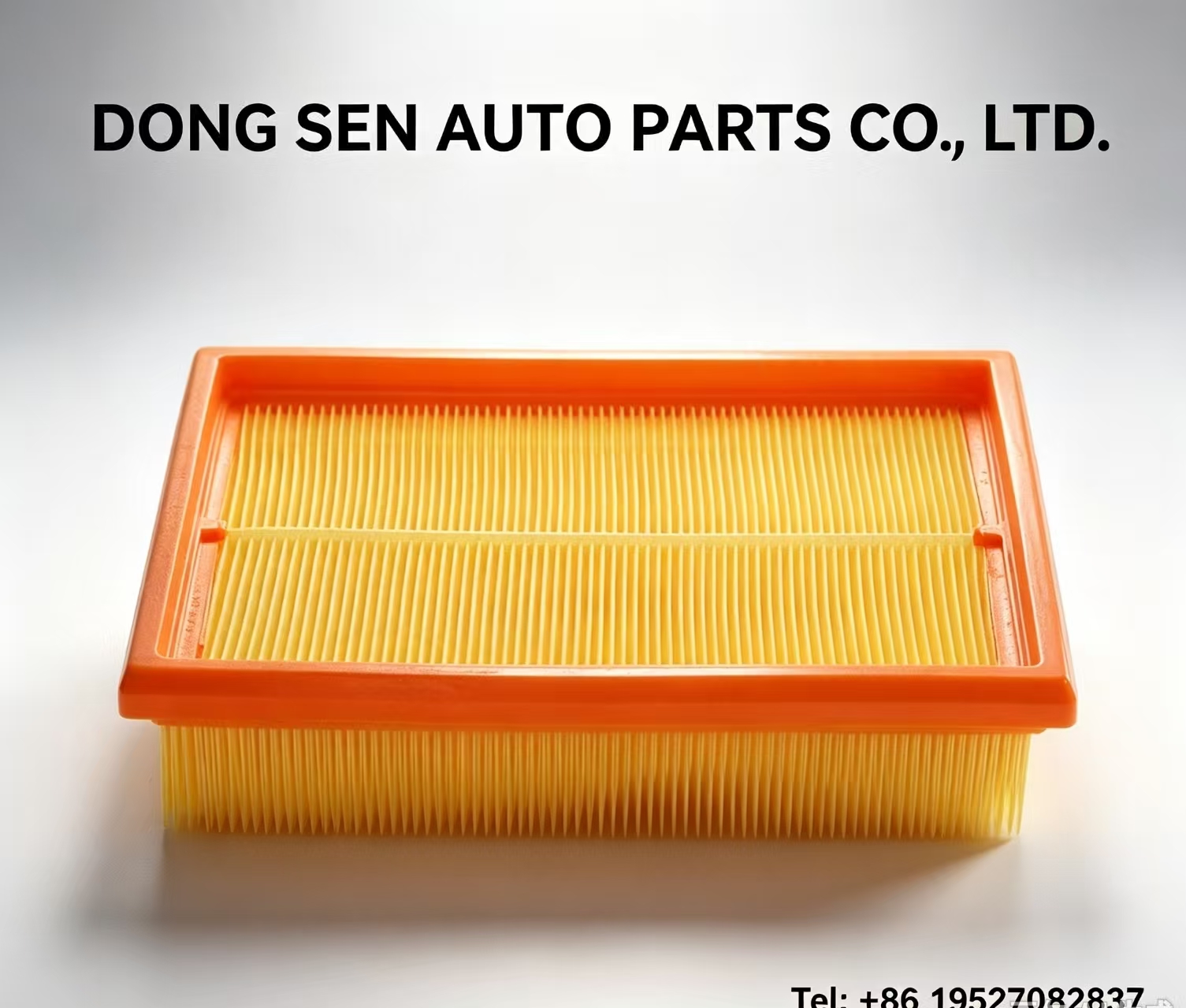
For vehicle owners living in coastal, rainy or subtropical regions, high humidity is one of the biggest hidden threats to cabin air filters. Many drivers only notice something wrong when a stale, moldy smell blows out from the air vents once the air conditioner is turned on, but few realize that the root cause often starts with a damp cabin filter. Unlike engine air filters that mainly face dust and debris, cabin air filters work closely with the vehicle’s HVAC evaporator, where condensed water gathers easily after cooling cycles. When moisture mixes with trapped pollen, road dust and organic residues on the filter media, it creates a perfect breeding environment for mold, mildew and bacteria.
A damp cabin filter loses its filtration efficiency much faster than a dry one. The fine fiber structure will swell after absorbing water, blocking airflow channels unevenly. Even if the filter still looks clean on the surface, its ability to capture PM2.5 particles and allergens drops sharply. In serious cases, mold spores carried by airflow spread all over the passenger cabin, triggering allergic rhinitis, throat irritation and breathing discomfort for drivers and passengers, especially children, pregnant women and people with asthma. Besides health risks, prolonged dampness also damages the filter’s supporting frame and PU sealing glue. Low-quality glue will soften, peel and deform under repeated wet-dry cycles, leading to air leakage. Unfiltered bypass air enters the cabin directly and also accelerates corrosion inside the evaporator core and blower motor, bringing expensive HVAC repair bills.
So what can drivers and repair shops do to reduce moisture damage to cabin filters? First, form good driving habits: turn off the A/C compressor 3 to 5 minutes before reaching the destination and keep the fan running. This helps blow away residual condensate on the evaporator instead of locking moisture inside the duct. Second, shorten inspection and replacement cycles in rainy seasons or humid climates. The standard replacement cycle is usually 12,000 to 15,000 miles or 12 months; for high-humidity areas, we recommend checking the cabin filter every 6 months and replacing it once obvious discoloration, damp spots or odor appears. Third, choose cabin filters with reinforced structure and moisture-resistant non-woven fabric. Reinforced ribs maintain the pleat shape under humid conditions, preventing the filter from collapsing and blocking the air passage. Carbon-coated and antimicrobial cabin filters are better choices for humid zones, as they inhibit microbial growth and absorb unpleasant odors at the same time.
It is worth reminding that cleaning a moldy cabin filter with compressed air or water cannot restore its performance. Mold roots grow deep inside the fiber layers, and simple cleaning only removes surface dust while leaving bacteria hidden. Once contaminated by heavy dampness, the filter should be replaced directly. Regular inspection and proper selection of moisture-resistant cabin filters are low-cost maintenance work that protects both passengers’ respiratory health and the whole air conditioning system.

Qinghe County Dongsen Auto Parts Co., Ltd. is located in Qinghe County, Xingtai City, Hebei Province. It was established in 2024. Although the company was established a short time ago, it has more than 10 years of production experience. We are a manufacturer specializing in the production of air filters, air conditioning filters and oil filters. The filters produced by our factory serve the domestic and foreign markets and have won unanimous praise from customers in Southeast Asia, Africa, South America and other regions.